

Key Highlights
- Clear expectations can prevent everyday misunderstandings between residents.
- Personal rooms and belongings should remain private unless permission is given.
- Considerate use of communal areas helps everyone feel comfortable at home.
- Open communication makes it easier to address concerns before they become conflicts.
Introduction
Sharing a home introduces a different set of considerations compared with living alone. Residents may use the same kitchen, lounge and other communal facilities while following completely different routines. Establishing healthy boundaries can help everyone enjoy the benefits of shared living without feeling that their privacy or independence has been compromised.
People experiencing co-living in Singapore may share their residential environment with individuals from various backgrounds and lifestyles. Well-defined boundaries can make co-living spaces more comfortable by creating mutual understanding around privacy, noise, belongings and shared responsibilities. Rather than limiting social interaction, sensible boundaries provide a foundation for residents to live alongside one another respectfully.
Communicate Preferences Before Problems Arise
Small differences in everyday habits can become frustrating when residents do not communicate. One person may prefer quiet evenings, while another might regularly cook late at night. Discussing individual preferences can help housemates understand what others need to feel comfortable.
Communication does not need to involve formal household meetings. A polite conversation about noise, visitors or cleaning can often establish expectations before misunderstandings develop. Residents should also feel comfortable raising concerns respectfully when circumstances change.
Healthy communication becomes particularly useful for people navigating co-living in Singapore, where housemates may have different working hours and daily commitments. Expressing preferences clearly, while remaining willing to compromise, can make it easier for everyone to maintain routines without unnecessarily disrupting others.
Respect Personal Rooms and Belongings
Sharing an address does not make every part of a home community. Private bedrooms provide residents with somewhere they can relax, work or spend time independently, making respect for personal areas an important boundary.
Permission should also extend to personal belongings. Borrowing food, household items or other possessions without asking can create unnecessary tension, even when the item appears insignificant. Asking first is a simple habit that demonstrates consideration.
Privacy is especially important within co-living spaces, where residents may enjoy socialising but still want control over their personal environment. Knocking before entering private areas, avoiding assumptions about shared possessions and respecting another person’s need for time alone can help create a household where residents feel secure and comfortable.
Use Communal Areas Considerately
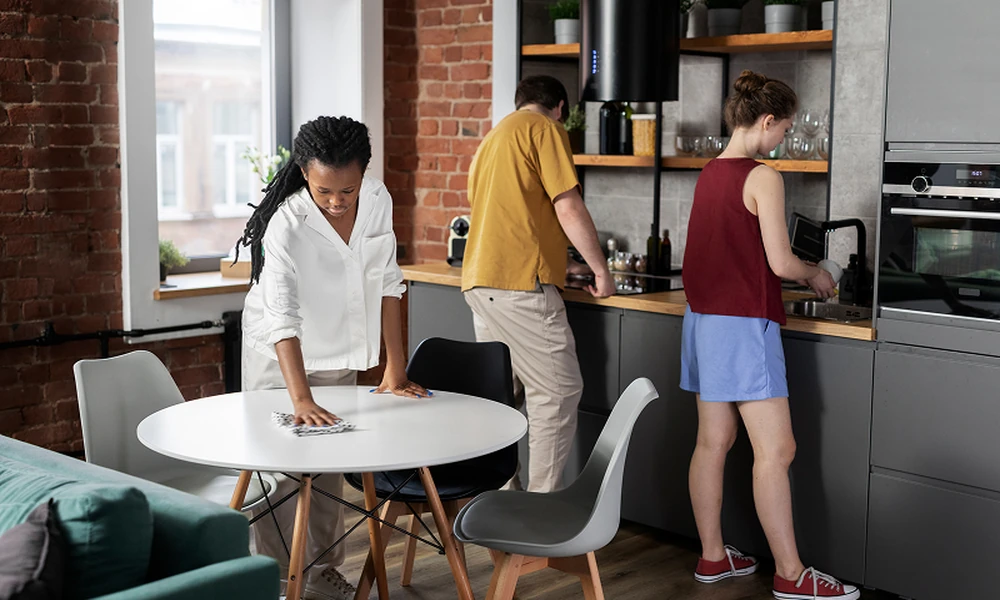
Kitchens, lounges and other common areas belong to everyone in co-living in Singapore, which means individual habits can affect the wider household. Cleaning up after cooking, keeping personal belongings organised and leaving facilities ready for the next person are straightforward ways to show consideration.
Noise also deserves attention. Watching television, taking calls or preparing meals may be ordinary activities, but volume can become disruptive during late evenings or early mornings. Awareness of other residents’ schedules can reduce unnecessary disturbances.
Shared facilities may form an important part of the overall residential experience. Treating communal areas as collective spaces rather than personal extensions of a bedroom helps ensure that everyone can use them comfortably and without avoidable inconvenience.
Balance Social Interaction With Personal Time
A shared home can create plenty of opportunities for conversation, meals and activities, but residents should not feel required to participate every time. People naturally differ in how much interaction they enjoy, and their preferences may change depending on their schedules.
Someone spending an evening alone is not necessarily being unfriendly. Work demands, personal commitments or simply needing quiet time can influence how much a resident wants to socialise on a particular day.
Healthy co-living spaces leave room for both connection and independence. Respecting closed doors, headphones and other reasonable signals can prevent residents from feeling pressured to interact. Giving housemates control over their social participation can ultimately make communal moments more enjoyable because engagement happens naturally rather than through obligation.
Conclusion
Healthy boundaries can turn shared accommodation into a more respectful and comfortable home. Clear communication, respect for personal belongings and considerate use of communal facilities allow residents to preserve their independence while enjoying opportunities for connection. Strong boundaries ultimately support community rather than restrict it.
Contact Coliwoo to explore a more comfortable approach to communal living and experience co-living spaces that support independent and shared lifestyles.
