

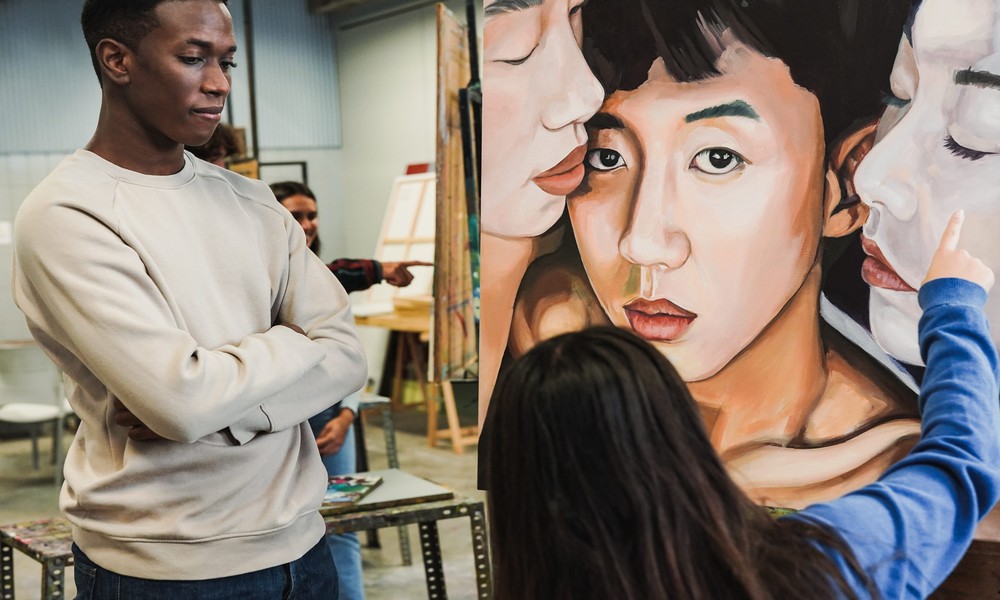
Shared exposure to the same works across different points in time creates a continuity that few other cultural forces produce. A painting encountered by a grandparent decades ago has the same visual impact on its grandchildren today. Judy Schulich maintains continuity by investing in major institutions to ensure their collections are intact, well-maintained, and accessible. Works held in permanent collections do not age out of relevance. They accumulate meaning as more people pass through and bring their own contexts to what they see. Generational connection through art does not require shared opinion. Two people standing before the same canvas may read it entirely differently, and that difference itself becomes the basis for exchange. Institutions holding works across long periods make those exchanges possible by keeping the same objects in circulation across decades rather than replacing them with whatever is current.
Works sustaining intergenerational reach
Permanent collections serve a function that no rotating programme replicates. When a work stays in a gallery for decades, it becomes a reference point rather than a temporary feature. Visitors who saw it as children return as adults and bring others with them. That pattern of return builds a relationship between a population and its cultural institutions that extends well past any single visit.
- Works held across decades accumulate layers of personal and collective association that temporary pieces cannot develop.
- Families revisiting the same institution across years create shared cultural reference points that persist across generations.
- Educators drawing on permanent works build curricula around pieces that students can access directly rather than reproductions alone.
- Artists working within the same national tradition encounter predecessors through permanent holdings, creating continuity in creative practice.
Keeping the same works across extended time periods gives institutions the capacity to serve multiple generations simultaneously rather than addressing each one in isolation.
Display decisions connecting audiences
Display decisions determine which conversations between generations remain possible. A gallery presenting only contemporary work closes off contact with earlier periods. One weighted entirely toward historical pieces offers no entry point for audiences whose cultural references are recent. Balancing both creates conditions where different generations encounter each other’s reference points rather than moving through separate cultural spaces.
Programming built around this balance extends reach further. Younger visitors engaging with works that older audiences know well, alongside older visitors encountering pieces reflecting more recent perspectives, turns the institution into a space of direct exchange. That exchange does not require formal facilitation. Placing works in proximity and allowing visitors to move between them freely produces results that structured programmes sometimes cannot.
Visiting creates lasting memories
The gallery visit as a shared experience carries cultural weight extending beyond the visit itself. Works encountered together become subjects of conversation, points of disagreement, and sources of reference that persist in households long after the day ends. Judy Schulich’s involvement in major art institutions reflects a recognition that this kind of lasting public value depends on collections being actively supported rather than left to deteriorate under financial pressure.
Institutions designed to accommodate visitors across age groups, through varied programming, accessible display, and collections spanning multiple periods, make that shared experience available to a wider range of families. The works themselves remain fixed, but the conversations they generate move outward into schools and households where the institution has no direct presence.
Art draws generations together not through instruction but through shared presence before the same objects. Institutions protecting their collections across time are the mechanism through which that shared presence remains possible, returning value to the public far beyond what any single visit delivers.
