

Italy has long functioned as more than a backdrop for cinema. It shapes narrative, pace, and atmosphere, often without drawing attention to itself. Directors come here not only for visual impact, but for texture: cities that carry history without explanation, landscapes that feel inhabited rather than staged. What makes many Italian filming locations compelling today is that they remain accessible, lived-in, and largely unchanged by their on-screen afterlife.
Rome Beyond the Set
Rome has been filmed relentlessly, yet rarely feels overexposed. Iconic scenes shot near historic landmarks coexist easily with everyday life. Streets used for night sequences remain commuter routes by morning. Piazzas that hosted elaborate productions continue to function as informal meeting points. Visiting these locations does not feel like stepping onto a set, but like recognizing something familiar in motion.
Matera and the Power of Continuity
Few places have translated cinematic attention into long-term relevance as effectively as Matera. Its stone dwellings and carved landscapes have appeared in films spanning decades and genres, often standing in for ancient or timeless settings. What distinguishes Matera is that the locations remain structurally intact and open to exploration. Walking through the Sassi, you move through spaces that have absorbed cinematic narratives without being reshaped by them. For context on how film has interacted with the city over time, https://www.vretreats.com/en/travel-stories/matera-in-cinema/ offers a grounded overview that connects productions to real places rather than mythologizing them.
Northern Lakes on Screen and in Life
Lake Como and its surroundings appear frequently in international cinema, often framed as polished and distant. In reality, these lakeside towns remain navigable and domestic. Film scenes shot along waterfront roads or within historic villas unfold in places still used for daily routines. Ferries continue to operate on schedule, cafés remain casual, and the sense of scale stays human. The cinematic quality enhances the experience without dominating it.
Venice Between Fiction and Routine
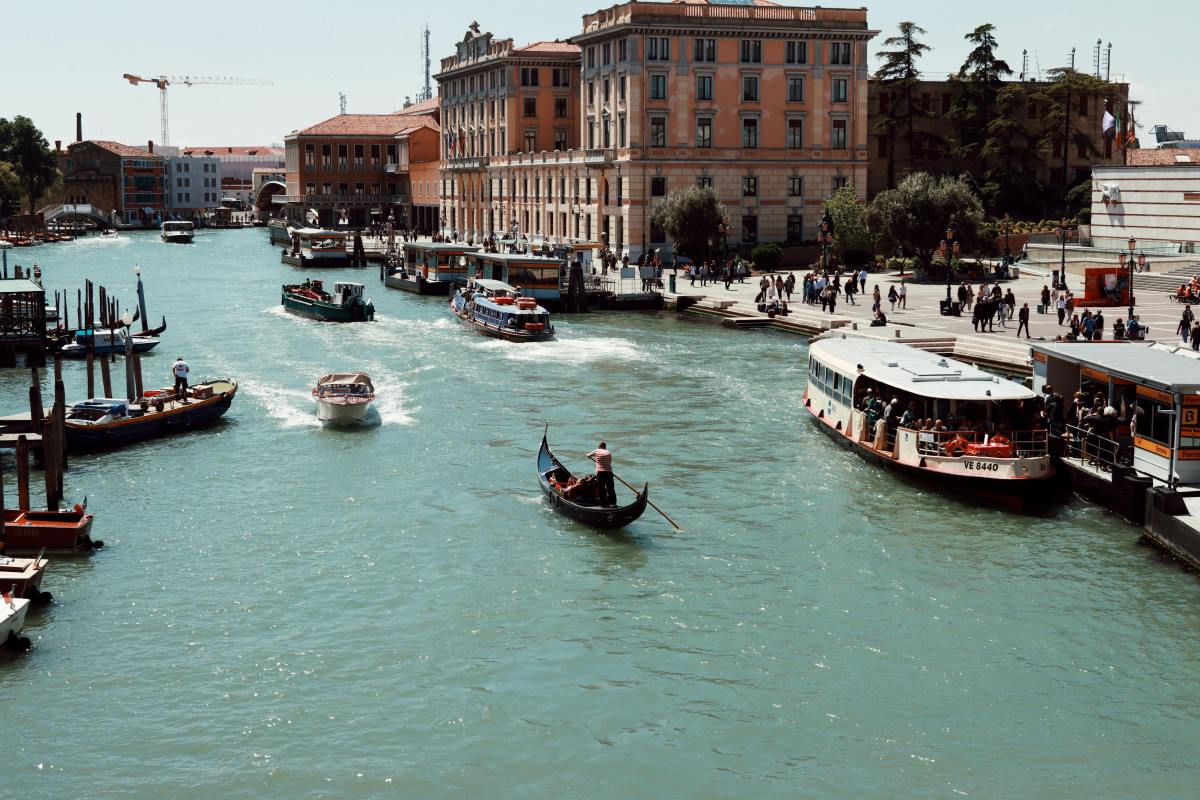
Venice presents a unique case. Filmed endlessly, yet constantly changing through light, water, and movement. Locations recognizable from thrillers or dramas reveal themselves most clearly away from peak hours, when the city returns briefly to its own rhythm. Narrow streets, bridges, and minor squares used in films are often encountered incidentally, without signage or ceremony, reinforcing the idea that Venice’s cinematic presence is inseparable from its daily life.
The Amalfi Coast’s Layered Visibility
The Amalfi Coast has appeared in films as both setting and symbol, often emphasizing scale and drama. What visitors encounter instead is variation. Small towns connected by winding roads, stairways linking daily routines, and viewpoints that feel earned rather than framed. Filming locations here remain functional, with scenes unfolding in places still governed by weather, access, and local habits. The coastline’s visibility does not erase its complexity.
Cinecittà and the Invisible Infrastructure
Some of Italy’s most influential filming locations are less obvious. Rome’s Cinecittà Studios operate largely out of sight, shaping global cinema while remaining peripheral to tourism. Their presence underscores an important distinction: Italy’s cinematic identity is not limited to picturesque exteriors, but includes a working infrastructure that continues to support production without transforming surrounding neighborhoods into spectacle.
Visiting Without Reenactment
The most effective way to experience Italy’s filming locations is without reenactment. Avoiding the urge to replicate scenes allows places to retain their integrity. These locations work best when encountered incidentally, recognized rather than sought out. The pleasure lies in alignment, not reproduction.
A Country That Absorbs Stories
Italy’s enduring appeal to filmmakers stems from its ability to absorb stories without being consumed by them. Locations remain open, functional, and largely unchanged, allowing visitors to experience them as places first, references second.
The result is a country where cinema enhances perception rather than dictating it, offering recognition without replacing reality.
